
Addressing Vicarious Trauma and Burnout
As mental health professionals, we will all experience burnout, vicarious trauma, and countertransference. It is unavoidable in our work. However, if we develop a practice of consistently attending to these, we can keep them from impacting our work and our lives. We recognize that mental health professionals, just like the rest of humanity, need a place to heal and recharge. The Phoenix Center wants to provide that space. We want this workshop to be a safe haven, away from the worries of the world, where you can release some of what is holding you back, personally and professionally, and walk away refreshed.

Your team gives their heart and mind fully to their clients. This inevitably pushes them up against the limits of their attention – as they are affected by both the trauma conveyed in the stories they hear, and the unhealed trauma and/or vicarious trauma that already exists within them. If unresolved, these can challenge even your most experienced clinicians with deep emotions and difficult thoughts, which can negatively impact every aspect of their life. If, however, they get a chance to process these emotions regularly, they will be more relaxed and present, leading to better client/patient outcomes and treatment satisfaction.
Cathartic
Comprehensive
Incredible


Half-Day Outline
- Risks of burnout and vicarious trauma
- Impact of secondary traumatic stress
- Impact of burnout
- Identifying aspects of our work that contribute to burnout and vicarious trauma
- Countertransference and the professionals’ unresolved wounds
- Importance of peer support and mutual aid
- Recharge and re-energize through support from peers
- Listening exercises and Attunement exercises
- Celebrating meaningful aspects of our work
- Sharing about difficult aspects of our work
- Reflecting on our experiences listening and sharing with others
- Utilizing structured peer support sessions in the workplace
- Examples of implementation
**This course is designed to be highly interactive with required participation from registered attendees**
Dr. Scott has provided training to thousands of professionals around the world including various programs in the Philadelphia area such as:
- Mirmont Treatment Center
- Mainline Health Systems
- Caron Treatment Center
- Pinelands Recovery Center
- Banyan Treatment Center
- Maryland Addiction Recovery Center
- Chester County Department of Human Services
- Women Organized Against Rape
- Spilove Psychotherapy
- Espenshade Counseling
- Manor of Hope
- Bryn Mawr College
- University of Pennsylvania
- Philadelphia College of Osteopathic Medicine
- West Chester University
- Denver University
- New Mexico State University
- Columbia University
- Neumann University
- Antioch University
- Widener University
- Penn State University
- International Universities
- Introduction to Sociometry, Psychodrama, and Experiential Trauma Therapy
- PTSD, CPTSD, Trauma-Informed Principles, and Post-Traumatic Growth
- The Intersection of Addiction and Trauma
- Experiential Group Treatment: Sociometry and Safety Structures
- An Experiential Trauma Therapy Clinical Map: Neurobiology and Safety
- Using Experiential Work to Transform Burnout, Compassion Fatigue, & Vicarious Trauma
- Working Experientially with Defenses in Addiction & Trauma Work
- Relational Trauma Repair: Psychosocial Metrics & Psychodrama-like Interventions
- Experiential Therapy Supervised Practice
- Psychodrama and Empty Chair Work in Individual Sessions
- Sociatry & Spirituality in Trauma and Addiction Work
- Strengths-based Experiential Work and the Empty Chair
- Role Theory, Doubling, and Attachment Theory
- Experiential Work with Loss, Ambiguous Loss, Traumatic Loss, and Resilience
- Group Work, Group Therapy, Mutual Aid, and the 12-steps
- Grief and Loss: Impacts on Clients and Staff
- The Aging Brain: When Dementia and Mental Health Overlap
- Introduction to Expressive Arts Therapies
- Healers’ Haven: Addressing Vicarious Trauma and Burnout
- Bringing IFS into Practice
- Other topics available upon request
The Phoenix Center is a pre-approved provider of CE Hours for National Board of Certified Counselors (NBCC), American Psychological Association (APA), and the Pennsylvania boards of Social Work, Marriage & Family Therapy, Professional Counseling, and Psychology. Any in-services trainings by Phoenix Center staff can provide these CEs plus training hours towards certifications in experiential therapy and psychodrama.
Our fee for organizational consultation or clinical training varies based on the nature of the organization, travel distance, number of participants, type of training, and workshop content. Workshops are individualized to meet your organizational needs/preferences and include the provision of CE hours and certificates. See fee schedule below:
- Small group workshops (under 35 people)
- $550/hr or $2750/day
- Large group workshops (35-75 people)
- $1000/hr or $4800/day
- Keynote presentations (and/or groups over 75 people)
- $2000/hr
*Reduced cost offerings are provided to non-profit organizations and international communities on a limited basis. Write to us if cost is the only thing holding you back from working together!
The Facilitator
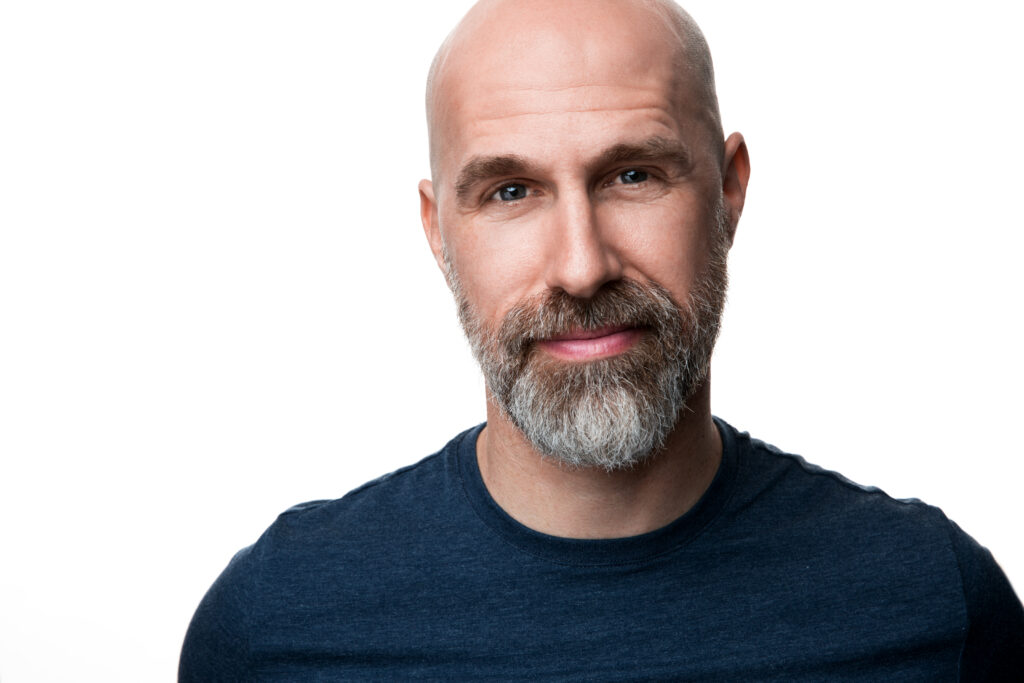
Brian Gallagher, LCSW, has studied “the art of listening & healing” for the past 35 years. Having both given and received thousands of counseling sessions, he has come to thoroughly understand the human healing process from the inside out. Studying and working under renowned psychologist, Michael C. Reichert, he has witnessed the profound benefits of this counseling in himself and in many hundreds of clients and therapists, leaving him with the unshakable confidence that the untangling and discharging of old emotional knots makes people’s minds sharper, their bodies healthier, and their relationships deeper.
Brian is The Phoenix Center’s Peer Support Coordinator and regularly offers peer-support sessions and workshops for those in the healing professions.