


Category: Women’s Issues

Navigating Perimenopause and Trauma

Meryl Lammers Trauma Therapist, Delaware County PA
By: Meryl Lammers, LSW, MT-BC

Is it perimenopause or trauma? Mood swings. Body changes. Brain Fog. Anxiety. Sleeplessness. Why don’t I feel like myself? I don’t recognize my own body. Why does it feel like I’m going through puberty all over again? Why do my joints hurt all the time? Where did my patience go?

If you are in your late 30’s-early 50s and you are a woman or person who menstruates, you may be experiencing perimenopause.

What is Perimenopause?

Perimenopause is the transitional period before menopause. This is a time when bodies of people who menstruate begin to change and prepare for the cessation of menstruation. This phase, which can last for 3-14 years, is characterized by hormonal fluctuations, particularly in estrogen and progesterone levels, leading to various physical and emotional symptoms. These symptoms may include:
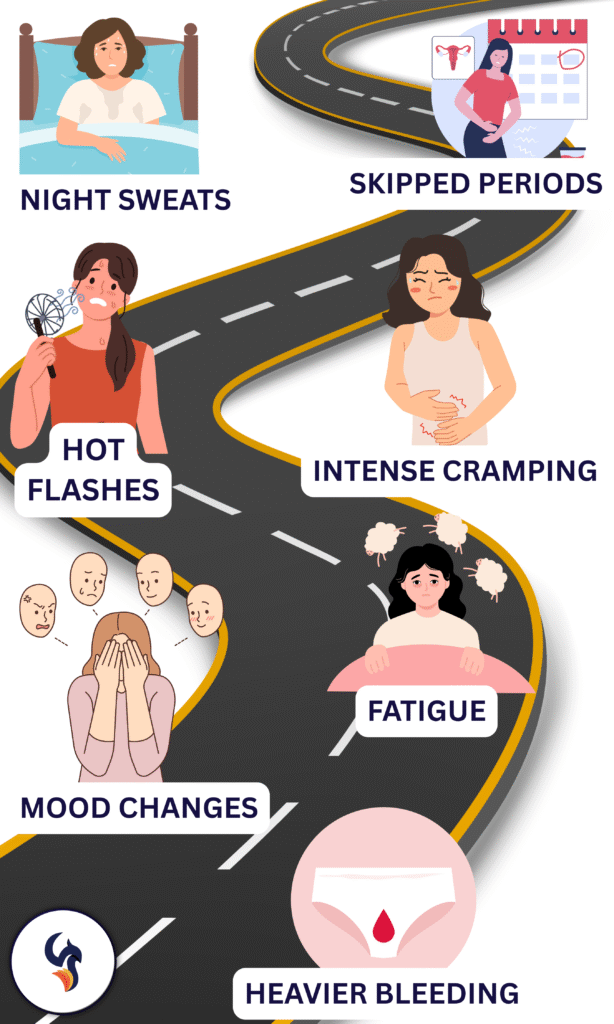
the road through perimenopause, perimenopause symptoms, managing emotions through perimenopause by Meryl Lammers
  • challenging emotional changes
  • sleeping disturbances
  • decreased sex drive
  • fatigue
  • weight gain
  • cognitive change
  • dry skin
  • joint pain
  • muscle aches
  • headache
  • heart palpitations
  • changes in taste
  • digestive problems

People who have a trauma history may experience more severe perimenopausal symptoms, including hot flashes, sleep disturbances leading to fatigue, difficulty managing emotions, and heightened anxiety and depression.

Perimenopause and Trauma

Studies indicate that people with a history of trauma, particularly during childhood or adolescence, may experience a higher risk of depression and PTSD symptoms during perimenopause. Some red flags to look out for include:

  • Increased feelings of depression/loneliness/isolation/anxiety
  • Flashbacks of traumatic memories
  • Inability to regulate emotions
  • Increased suicidal ideation
  • Feelings of hopelessness

Perimenopause and Neurodivergence

Is it ADHD or perimenopause? The rising diagnosis rates of neurodivergent conditions, like ADHD and autism, in people undergoing perimenopause is a phenomenon linked to hormonal changes and the impact of masking strategies. The decline of estrogen during perimenopause can worsen symptoms associated with neurodivergence, making previously masked traits more apparent and leading women to seek diagnoses.

Hormonal Changes and Neurodivergence
ADHD and Perimenopause, Meryl Lammers, Phoenix Center for Experiential Trauma Therapy

The hormonal fluctuations during perimenopause can directly impact dopamine regulation, a neurotransmitter crucial for focus and executive function. This can lead to an increase in symptoms like brain fog, forgetfulness, and difficulty concentrating, which are often associated with ADHD. Similarly, for autistic women, hormonal changes can exacerbate sensory sensitivities, social anxiety, and challenges with executive function.

Masking and the “Tipping Point”

Many neurodivergent women may successfully mask or hide their traits for years, particularly in childhood and adolescence. However, the physical and emotional changes of perimenopause, combined with life transitions, can overwhelm existing coping mechanisms. This can lead to a “tipping point” where previously hidden traits become more noticeable, prompting a diagnosis.

Increased Awareness and Intersectional Considerations

Increased awareness about neurodivergence and a shift towards more intersectional diagnoses are also contributing to the rise in late-life diagnoses. Additionally, the physical and emotional symptoms of perimenopause, coupled with the psychological impact of a late diagnosis and potential trauma history can make this transition particularly challenging for neurodivergent people who menstruate.
Support during Perimenopause, Therapy in Delaware County, PA

Where Can I Get Help?

If you…

  • believe you are experiencing perimenopausal symptoms, first and foremost contact your medical doctor/gynecologist.
  • you are in perimenopause and now curious if you are neurodivergent, please speak to a doctor, psychologist, or psychiatrist who can direct you to health care professionals that conduct neuropsychological examinations for neurodivergence.
  • you’re having thoughts of harming yourself or others, please call 988 or 911, or go to your local emergency room.
  • you are experiencing an increase in PTSD symptoms or difficulties managing your emotions, experiential trauma therapists are trained to help you through this challenging life transition.

The Phoenix Center

Experiential Trauma Therapy uses evidenced base techniques that can be beneficial for people in perimenopause of all neurotypes who are experiencing these symptoms. Research suggests that somatic or body-based therapies are effective in helping people in menopause cope with trauma. At the Phoenix Center, we specialize in providing EMDR, IFS, Psychodrama, Somatic work, and Creative Expressive Arts, such as music and art therapies, which all have a somatic component. We are here to support you through all life phases!

If you’re ready to get support during this significant life change, contact The Phoenix Center today to schedule with one of our experiential trauma therapists.


Parenting Children with ADHD: Emotional and Physical Burnout

By Meryl Lammers, LSW, MT-BC
Parenting Children with ADHD: Emotional and Physical Burnout

Parenting is a complicated job, full of joy, unimaginable love, and a level of stress many are not expecting. When you are parenting children with ADHD (Attention Deficit/Hyperactivity Disorder), or other forms of neurodivergence, there are forms of burnout that parents of neurotypical children may not experience to the same degree. It’s a form of being tired you’ve never known before.

WHY?

Children with ADHD need more co-regulation, more reminders, more structure, and more patience. They need to be parented perhaps differently than you/we were. There must be a focus on building relationships, providing structure and support, managing impulsivity, and meeting behavioral and educational challenges. This includes creating a positive and supportive environment, using effective communication and discipline strategies, and understanding the unique challenges ADHD presents. Parenting this way may feel foreign, which requires more work and learning for you.

It’s the constant mental load of parenting a child whose brain works differently.

You’ve put your own needs to the side to care for your child. You’re always juggling meltdowns and tantrums over getting dressed, eating breakfast, or transitioning from one task to the next. You’re managing both you and your child’s emotional regulation. You’re going to therapy and doctors’ appointments, activities, advocating with insurance companies, schools, and health care providers. You’re navigating a healthcare system that feels impossible and you’re constantly wondering why it feels so hard to get the support you and your child need. You’re attending IEP meetings, fielding phone calls, emails, letters home.

You’re working a job in addition to parenting. You’re not sleeping well because your child isn’t sleeping well. Maybe you’re parenting more than one child, all of whom have different needs. You’re always in decision making mode and it’s hard to make mental and physical space for things you love or need.

It’s the constant worry, “Am I doing enough? Am I enough?”

Why does this feel so hard?

Because your cup isn’t full. Maybe you don’t have enough familial or community support. Maybe you don’t ever get time by yourself because you’re the default or only parent. Maybe you weren’t taught how to support their nervous system through your own. Maybe you weren’t taught how to support your own nervous system.

And our society is not currently set up to support parents, especially parents of children with differences. Maybe you’re faced with judgement from others or society on how you’re parenting. Maybe you’re also neurodivergent and the stress and sensory input of parenting overwhelms your system. Maybe you weren’t parented with patience or love and are trying to break generational patterns of unresponsive parenting. Maybe you have past trauma resurfacing and you’re not sure how to cope. You’re running on empty.

The increased stress and burnout of parenting can lead to:

  • Increased cortisol levels (stress hormone) leading to negative health outcomes.
  • A decrease in distress tolerance or ability to cope with daily living.
  • Increase in yelling and fighting with your child or partner.
  • Insomnia or poor sleep hygiene.
  • Increased anxiety, depression, feelings of dread.
  • Increase in irritability.
  • Feelings of guilt and shame.

This increase in stress has the potential to trigger past unresolved trauma. Here are some Red Flags to look out for:

  • Increased feelings of depression/anxiety.
  • Nightmares.
  • Flashbacks of traumatic memories.
  • Feeling disconnected from your body or from others.
  • Intrusive thoughts.
  • Persistent negative thoughts or beliefs about yourself.
  • Reduced interest in enjoyable activities.
  • Feeling unsafe in everyday situations.
  • Feeling helpless or hopeless

If you are parenting children with ADHD or neurodivergence, and are experiencing these symptoms, it may be time to reach out for help.

Benefits of working with an experiential trauma therapist include:

  • Increased ability to cope with life’s stressors.
  • Reduced PTSD symptoms.
  • Learning how to regulate your emotions so you can help your child regulate theirs.
  • Improved relationships with your child/partner/family.
  • Increase self-esteem and self-awareness.
  • Increased feelings of empowerment.
  • Ability to regain a sense of control over your life.

Remember: You are NOT failing. You are carrying a load that no one else sees. We cannot recover alone and you’re already doing so much for others. You deserve support, too! Please call the Phoenix Center to schedule an appointment with one of our skilled experiential trauma therapists.

Meryl Lammers is an Experiential Trauma Therapist and Music Therapist at The Phoenix Center for Experiential Trauma Therapy. Meryl also provides Trauma Recovery Coaching.

Parental Stress and Trauma

By Meryl Lammers, LSW, MT-BC

In August of 2024, the acting Surgeon General, Vivek H. Murthy, issued an advisory on the health and well-being of parents in the United States. This advisory called attention to the growing rates of stress experienced by parents and the direct impact that stress has on childhood development and well-being. Parental stress, coupled with trauma can be a particularly challenging experience.

Sources of Sessors for parents:

1) Financial Strain, Economic Instability, and Poverty can make it difficult for many families to meet their children’s basic needs, pay for childcare costs, and provide for children’s health and education expenses. Financial worries continue to be a top stressor among parents.

2) Time Demands: The increase in time spent both on work commitments and with family responsibilities can contribute to work-family conflict, burnout, and stress.

3) Children’s Health, including mental health challenges, intellectual and developmental disabilities, and acute or chronic illnesses, can add to parental stress levels.

4) Children’s Safety: Parents report concerns about their child being bullied, abducted, or attacked. Firearm-related injury has become the leading cause of death among U.S. children and adolescents ages 1-19 and parents report that the possibility of a school shooting causes them significant stress.

5) Parental Isolation and Loneliness: Parents struggle with loneliness at higher rates than non-parents, which can exacerbate parental stress.

6) Technology and Social Media: The rapid adoption and evolution of technology and social media have been difficult and stressful for parents to manage, including by posing new risks to children’s health and safety.

7) Cultural Pressures and Children’s Future: Cultural expectations, societal norms, and pressure to meet perceived parenting standards can contribute to parental stress.

Parental Stress and Mental Health

Chronic or excessive stress, coupled with other complex environmental and biological factors, can increase the risk of mental health conditions for individuals. Some of those factors include:

1) Exposure to Alcohol and Drugs

2) Discrimination and Racism

3) Adverse Childhood Experiences (ACEs): Abuse, Neglect, Trauma, Death/Loss of Loved Ones

4) Neurochemical Factors influenced by genetics, epigenetics, and hormonal fluctuations associated with pregnancy and the perinatal period

5) Predisposition to mental health conditions

Disproportionate Mental Health Conditions Among Certain Parents and Caregivers

1) Community Violence: Parents who are exposed to violence (e.g., intimate partner violence), are incarcerated.

2) Racism and Discrimination: Parents who are of racial and ethnic minorities, are sexual and gender minorities, are immigrants, are parents and caregivers of undocumented children

3) Poverty: Parents and caregivers who live in low-income households, experience job instability or unemployment, and experience food insecurity.

4) Gender: Women in heterosexual relationships disproportionately carry the physical, emotional, and mental labor of childrearing compared to male counterparts.

5) Other: Parents who are divorced, are in the military or deployed, have disabilities or experience chronic medical problems or trauma.

Parental mental health can influence the emotional climate, responsiveness, and consistency of caregiving at home, all of which are crucial for a child’s emotional and cognitive development.

Impacts to Children

Importantly, how a parent’s or caregiver’s mental health affects their behavior and functioning is a critical factor in determining how it impacts a child.

Children of a primary caregiver who reported poor mental health were four times more likely to have poor general health (5.1% vs 1.3%) and two times more likely to have mental, behavioral, or developmental disorders (41.8% vs 21.0%). Additionally, these children are prone to cognitive, academic, and interpersonal struggles.

The mental health conditions of parents can pose greater risks for children when combined with additional risk factors like poverty, exposure to violence, and marital conflict, but they can be mitigated by protective factors like social support networks and positive parenting behaviors as well.

Government, health and social service systems, employers, community organization, schools, and even friends and families can all play a crucial role in helping support parents, which would require massive policy changes, allocation of federal and state tax dollars, and the overall shift in perception about parenting: It’s time to value and respect time spent parenting on par with time spent working at a paying job, recognizing the critical importance to society of raising children. These changes will take time.

But parents can start to implement change for themselves now:

· Community Care: Parenting is best done with the support of other parents, family members, and friends. Seek out or create relationships with parents of children across age groups. Such community can provide opportunities to share your feelings, concerns, and challenges while also learning from the experiences of other parents. Fostering a supportive environment can help reduce the stresses of parenthood.

· Self-Care: Some activities that can help reduce stress include exercise, sleep, a balanced diet, mindfulness, meditation, and recreational activities that bring joy. Self-compassion is also crucial, as parenting is incredible stressful, and no one is a “perfect” parent.

· Education about appropriate health care from credible sources: FindSupport.gov

· Learn to recognize the signs of how mental health challenges manifest and when it’s time to ask for help: If you feel bad and are not getting better, you need and deserve additional care. Don’t be afraid to ask for support from a peer, family member, mental health provider, or any medical professional.

The stress of parenting

The stress of parenting, including challenges like child behavior, sleep deprivation, and financial strain, can act as a trigger for past traumatic experiences. For parents who have experienced Post Traumatic Stress Disorder (PTSD), parenting can be a particularly challenging experience. The stress of parenting may lead to a reactivation of PTSD symptoms, including intrusive memories, flashbacks, and heightened anxiety.

Trauma can be passed down through generations, meaning that a parent’s past trauma can impact their parenting style and their child’s well-being.

Parents may experience a variety of symptoms when their trauma is triggered, including increased anxiety, anger, or emotional numbing. When parents’ trauma is triggered, it can affect their parenting style, leading to difficulties in communication, discipline, or emotional regulation. If parents are struggling with trauma and its impact on parenting, it is important to seek support from mental health professionals or support groups.

Remember, caring for yourself is a key part of how you care for your family. If you are finding the stress of parenting is feeling overwhelming, call the Phoenix Center today to find out more about our compassionate trauma therapists and how they can help lighten the emotional load of parenting.

Healing from Sexual Trauma

Sexual trauma is an umbrella term that refers to any sexual act or encounter that is non-consensual, coercive, or forced. This can refer to a one-time event or an ongoing experience, and can happen to anyone, regardless of age, gender, or background. It is important to note that the trauma experienced is not limited to the actual act or event, but also encompasses the emotional and psychological aftermath. Recognizing the effects of sexual trauma and exploring pathways to healing from sexual trauma are vital steps toward recovery and empowerment for survivors.

The Impact of Sexual Trauma

The effects of sexual trauma are wide-ranging and can be both immediate and long-lasting. They may include:

  • Emotional Responses: Survivors often experience intense emotions such as fear, shame, guilt, anger, and sadness. These feelings can be overwhelming and persistent, affecting daily functioning and relationships.
  • Psychological Effects: Many survivors suffer from anxiety, depression, post-traumatic stress disorder (PTSD), and other mental health issues. Intrusive thoughts, flashbacks, and nightmares are common symptoms.
  • Physical Effects: Sexual trauma can result in physical injuries, chronic pain, and changes in sexual functioning. Survivors might also experience sleep disturbances and other stress-related health problems.
  • Behavioral Changes: Avoidance of people, places, or activities that remind the survivor of the trauma is common. Some may engage in self-harming behaviors, substance abuse, or other coping mechanisms that provide temporary relief but can be harmful in the long term.
  • Relationship Struggles: Trust issues, intimacy problems, and difficulties in maintaining healthy relationships are frequent challenges for survivors.
  • Existential Impact: Sexual trauma can also lead to a lost sense of a sense of safety, innocence, hope, or faith in humanity. Many survivors question the purpose of life and question if they can continue living after what they have experienced. 

Pathways to Healing from Sexual Trauma

Each survivor’s path is unique, and there is no one-size-fits-all approach. Here are some tips for navigating the journey of healing from sexual trauma:

  • Practice Self-Compassion: Healing is not linear, and setbacks are a normal part of the process. Be kind to yourself and recognize your progress, no matter how small.
  • Build a Support System: Surround yourself with supportive friends, family, and community resources. Sharing your journey with trusted individuals can provide comfort and encouragement. Open communication about needs and boundaries is essential. Seek support from peer support groups.
  • Engage in Self-Care: Make time for activities that promote physical, emotional, and mental well-being. This might include walking, meditation, creative pursuits, or spending time in nature. Prioritize joy!
  • Seek Professional Help: Finding a therapist who specializes in trauma can make a significant difference. Look for someone with whom you feel comfortable and supported. Consider engaging in group therapy to connect with other survivors who may understand your experience. 

Trauma Therapy

Trauma therapy provides a safe space to process experiences, manage symptoms, and rebuild a sense of self. Understanding the role of trauma therapy in healing from sexual trauma can offer hope and guidance to those seeking to reclaim their lives.

  • Safe and Supportive Space: A fundamental aspect of trauma therapy is establishing a safe and non-judgmental environment. Survivors need to feel secure and supported to share their experiences and emotions. A skilled therapist can help create this space, fostering trust and openness.
  • Processing Traumatic Memories: Many survivors of sexual trauma struggle with intrusive memories, flashbacks, and nightmares. Trauma therapy aims to help individuals process these memories in a way that reduces their emotional charge. Experiential techniques such as Eye Movement Desensitization and Reprocessing (EMDR) are particularly effective.
  • Managing Symptoms: Survivors often experience a range of symptoms, including anxiety, depression, hypervigilance, and dissociation. Trauma therapy provides tools and strategies to manage these symptoms, improving daily functioning and quality of life.
  • Rebuilding Sense of Self: Sexual trauma can severely impact a person’s sense of self. Trauma therapy helps survivors rebuild a positive self-image and reclaim their identity. Through therapeutic work, individuals can explore their strengths, values, and goals, fostering a sense of empowerment and self-worth.
  • Addressing Relationship Challenges: Trust and intimacy issues are common among survivors of sexual trauma. Trauma therapy can assist in navigating these challenges, helping individuals establish healthy boundaries and build supportive relationships. Therapists may also involve partners or family members in the therapeutic process to enhance understanding and support.
  • Cultivate Posttraumatic Growth: Recovery from trauma offers us the potential of growth in various ways. Adversity can become a catalyst for positive change in our sense of self, relationships, spirituality and/or sense of meaning/purpose, opportunity, and appreciation of life. It is not enough to simply reduce symptoms of trauma, we must enter into recovery.

Healing from sexual trauma through trauma therapy is a courageous and likely transformative path. It’s a journey that offers hope, healing, and the possibility of a future where survivors feel empowered, resilient, and whole. With the guidance of a skilled therapist, survivors can process their experiences, prioritize their well-being, and sustain post-traumatic growth. 

The Phoenix Center is dedicated to providing personalized care that addresses the unique needs of each survivor. Our trauma therapists take a holistic approach, integrating mind-body techniques to support emotional and physical healing. If you or someone you know is struggling with the aftermath of sexual trauma, reaching out for professional help is a powerful step toward recovery and healing from sexual trauma. 

by Sarah Jayne Oltz, MS, NCC, CTP (Accepting New Clients!)