
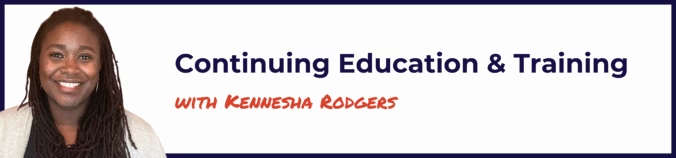
with Kennesha Rodgers

Many clients carry invisible wounds from harmful religious experiences, shame, fear, self-doubt, and a fractured sense of spiritual belonging. As clinicians, we must develop the language, tools, and self-awareness to walk with them through deconstruction and healing.
In this workshop, experiential trauma therapist Kennesha Rodgers (MA, LAPC, CTP) guides participants through the deeper work of supporting survivors of religious trauma. Attendees will learn how to recognize the symptoms of religious trauma, respond appropriately, and utilize experiential modalities to foster healing and growth.
Whether you’ve worked with spiritual trauma before or are new to this topic, you’ll leave with greater clarity, confidence, and compassion, for your clients and yourself.
These workshops are both didactic and experiential. Participants will be asked to participate, move (if in-person), and engage with one another.
Grateful
Engaging
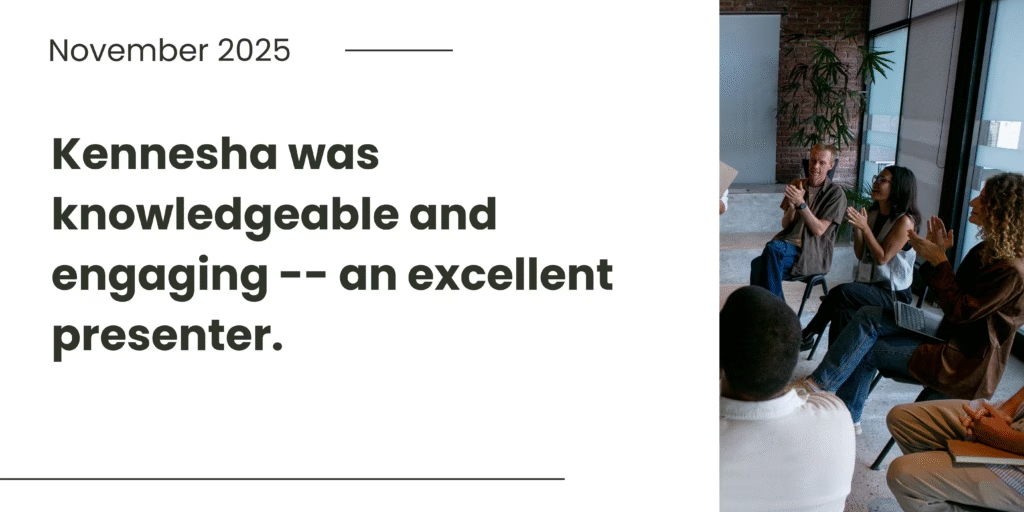
Growth
Workshop (Full Day or 3-Part Series)
1. Recognizing the Symptoms, Sources, and Impact of Religious Trauma

Participants will explore the foundations of religious trauma and spiritual abuse through a trauma-informed lens. We’ll examine how faith systems, while often beneficial, can also become sources of harm. Clinicians will gain tools to identify and contextualize the emotional, cognitive, relational, and somatic symptoms that clients may present when impacted by spiritual trauma, setting the foundation for working ethically and effectively with clients navigating the complex terrain of belief, identity, and healing.
2. Responding to Religious Trauma: The Therapeutic Relationship as a Vehicle for Healing

Attendees will explore how to apply trauma-informed care principles specifically to religious and spiritual trauma. You’ll learn strategies to support clients in rebuilding agency, self-trust, and spiritual flexibility, while also examining the clinician’s role, challenges, and blind spots in this work. Through guided reflection, experiential practice, and peer dialogue, this session will deepen your relational and clinical skills for walking alongside survivors with empathy and integrity.
3. Recovering from Religious Hurt: Experiential Strategies for Healing

Participants will introduce experiential strategies for working with religious trauma, including Internal Family Systems (IFS), EMDR, psychodrama, narrative therapy, mindfulness, and creative expression. Attendees will learn how to help clients re-author painful spiritual stories, explore suppressed parts of self, and begin reconstructing meaning in ways that foster post-traumatic growth. Through demonstration, discussion, and practice, clinicians will walk away with integrative tools to deepen healing and restore sacred connection.
Dr. Scott has provided training to thousands of professionals around the world including various programs in the Philadelphia area such as:
- Mirmont Treatment Center
- Mainline Health Systems
- Caron Treatment Center
- Pinelands Recovery Center
- Banyan Treatment Center
- Maryland Addiction Recovery Center
- Chester County Department of Human Services
- Women Organized Against Rape
- Spilove Psychotherapy
- Espenshade Counseling
- Manor of Hope
- Bryn Mawr College
- University of Pennsylvania
- Philadelphia College of Osteopathic Medicine
- West Chester University
- Denver University
- New Mexico State University
- Columbia University
- Neumann University
- Antioch University
- Widener University
- Penn State University
- International Universities
- Introduction to Sociometry, Psychodrama, and Experiential Trauma Therapy
- PTSD, CPTSD, Trauma-Informed Principles, and Post-Traumatic Growth
- The Intersection of Addiction and Trauma
- Experiential Group Treatment: Sociometry and Safety Structures
- An Experiential Trauma Therapy Clinical Map: Neurobiology and Safety
- Using Experiential Work to Transform Burnout, Compassion Fatigue, & Vicarious Trauma
- Working Experientially with Defenses in Addiction & Trauma Work
- Relational Trauma Repair: Psychosocial Metrics & Psychodrama-like Interventions
- Experiential Therapy Supervised Practice
- Psychodrama and Empty Chair Work in Individual Sessions
- Sociatry & Spirituality in Trauma and Addiction Work
- Strengths-based Experiential Work and the Empty Chair
- Role Theory, Doubling, and Attachment Theory
- Experiential Work with Loss, Ambiguous Loss, Traumatic Loss, and Resilience
- Group Work, Group Therapy, Mutual Aid, and the 12-steps
- Grief and Loss: Impacts on Clients and Staff
- Integrating Gender-Affirming Care into Trauma-Informed Care
- Introduction to Expressive Arts Therapies
- Healers’ Haven: Addressing Vicarious Trauma and Burnout
- Bringing IFS into Practice
- Other topics available upon request, including our Wednesday Webinar topics
The Phoenix Center is a pre-approved provider of CE Hours for National Board of Certified Counselors (NBCC), American Psychological Association (APA), and the Pennsylvania boards of Social Work, Marriage & Family Therapy, Professional Counseling, and Psychology. Any in-services trainings by Phoenix Center staff can provide these CEs plus training hours towards certifications in experiential therapy and psychodrama.
Our fee for organizational consultation or clinical training varies based on the nature of the organization, travel distance, number of participants, type of training, and workshop content. Workshops are individualized to meet your organizational needs/preferences and include the provision of CE hours and certificates. See fee schedule below:
- Small group workshops (under 35 people)
- $550/hr or $2750/day
- Large group workshops (35-75 people)
- $1000/hr or $4800/day
*Reduced cost offerings are provided to non-profit organizations and international communities on a limited basis. Write to us if cost is the only thing holding you back from working together!
The Facilitator
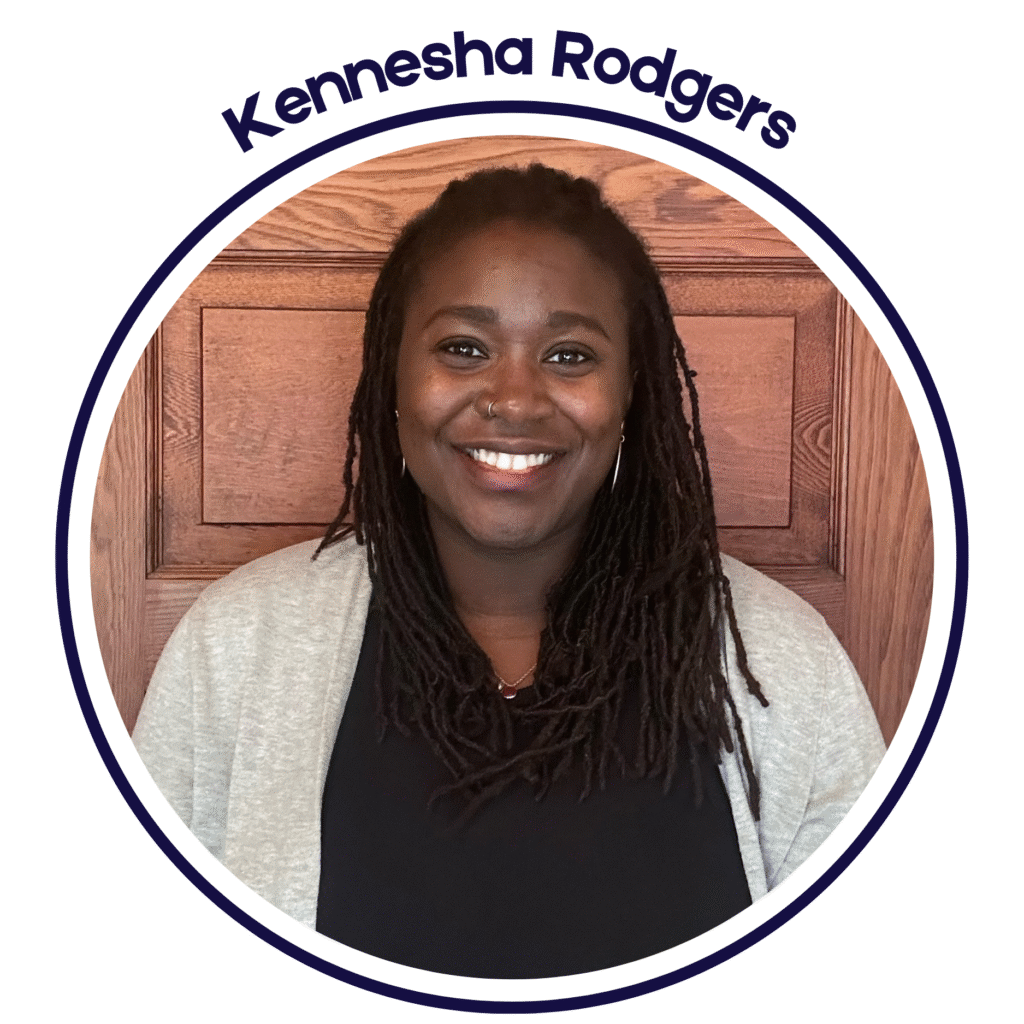
Kennesha Rodgers, MA, LAPC, CTP, (she/her/hers), is a trauma therapist and educator at The Phoenix Center. Having personally experienced the transformative power of therapy and coaching, Kennesha is deeply committed to making these services accessible, especially for under-resourced communities. She believes every person deserves the chance to heal and live with hope, and she is honored to be a compassionate presence for those on this journey.
Kennesha is trained in CBT and several experiential modalities including EMDR, Psychodrama, Somatic Therapy, and Parts Work, which allows her to integrate experiential techniques in her continuing education offerings. Having a personal connection to the work that she teaches, Kennesha’s workshops allow attendees to connect and relate not only to the material, but to each other and their clients.