This video offers a basic introduction to trauma and traumatic experiences. Trauma is defined and explained including the different types of trauma. Professionals, students, and others interested in learning about trauma will find this video helpful.
To learn more about trauma, check out this free 2 page handout
Or, click here to access Dr. Scott’s new ebook for free (see chapter 7 on trauma) – https://link.springer.com/book/10.1007/978-981-33-6342-7
Don’t forget to explore our other videos on this channel which include educational content on trauma, ptsd, addiction, and experiential trauma therapy.
#trauma#traumaticstress#traumaticexperience#ptsd#posttraumaticstress#posttraumaticstressdisorder#traumainformed#traumafocused#traumatreatment#traumaeducation#traumawork#traumacounseling#traumareaction#traumasymptoms
https://youtu.be/R4Js6VTu9yw
Category: Not Categorized (Page 1 of 6)
Social Work, Sociometry, and Psychodrama: Experiential Approaches for Group Therapists, Community Leaders, and Social Workers
by Scott Giacomucci, DSW, LCSW, BCD, FAAETS, PAT
Open-Access Book by Springer Nature; free eBook here – https://link.springer.com/book/10.1007/978-981-33-6342-7
Buy a physical copy of the book on Amazon here
Book Description:
This open access book outlines the intersections between social work and the methods of sociometry and psychodrama. Different sections offer essential practice wisdom for both trauma-focused and trauma-informed experiential work for individuals, groups, organizations, and communities. This text enriches the understanding of various action-based approaches and highlights how to enliven social work practice. The chapters include clinical vignettes and examples of structured sociometric prompts with diverse populations, topics, and social work settings to enhance the understanding of group practice, individual practice, and community practice. It provides social workers and other professionals with dynamic tools to improve assessment, intervention, activism, and leadership. Strength-based practical tools are offered to readers, along with guidance for theoretical conceptualizations. This integrative book is an essential read for students, practitioners, leaders, and scholars within the fields of social work, psychodrama, the creative art therapies, group therapy, community organizing, and social activism.
The book content also includes vignettes and examples from drawn from Scott’s work at the Phoenix Center providing clinical services, supervision, and training. In its first week of publication, the book reached the #1 New Release spot on Amazon in the category of Medical Psychology Research and the free eBook was downloaded over 21,000 times!
Published as the first book in a new international book series: Psychodrama in Counselling, Coaching, and Education
This video depicts the use of the Circle of Strengths which is an experiential group work tool adaptable for any group setting, any population, and any topic. The Circle of Strengths was developed by Kate Hudgins & Francesca Toscani as part of the Therapeutic Spiral Model. It is particularly useful as a strengths-based group-as-a-whole process for establishing safety and is frequently used by psychodramatists, community organizers, and other group workers. The Circle of Strengths is an action-based group tool that accesses the power of the group and cultivates mutual aid – the ability for each participant to be a therapeutic agent for each other.
Group workers are encouraged to pursue more training in experiential therapy, sociometry, and psychodrama. For upcoming trainings offered by Scott, visit http://www.PhoenixTraumaCenter.com/training
This video is one of a 4-part series of experiential training videos which demonstrate trauma-informed, strength-based group facilitation tools. The other videos are available here:
-Spectrograms – https://youtu.be/-lmysRgWF2Y
-Step-in Sociometry – https://youtu.be/UEjYzlT-b0Y
-Floor Checks – https://youtu.be/nA47xvp2V5Y
-Circle of Strengths – https://youtu.be/DH4q5JbtqUo
To read more about these experiential processes, view publications by Scott and the Phoenix Center for Experiential Trauma Therapy team here – https://phoenixtraumacenter.com/publications/
#sociometry #experientialtherapy #experientialwork #groupwork #experientialteaching #experientialeducation #psychodrama #grouptherapy #grouppsychotherapy #CircleofStrengths #TherapeuticSpiralModel #communityorganizing #addictiontreatment #traumatherapy
This video depicts the use of the Locogram and Floor Check which are experiential group work tools adaptable for any group setting, any population, and any topic. Floor Checks were developed by Tian Dayton as part of the Relational Trauma Repair Model. They are particularly useful as a group-as-a-whole assessment tool and are frequently used by psychodramatists, community organizers, and other group workers. Floor Checks are an action-based group tool that access the power of the group and cultivate mutual aid – the ability for each participant to be a therapeutic agent for each other.
Group workers are encouraged to pursue more training in experiential therapy, sociometry, and psychodrama. For upcoming trainings offered by Scott, visit http://www.PhoenixTraumaCenter.com/training
This video is one of a 4-part series of experiential training videos which demonstrate trauma-informed, strength-based group facilitation tools. The other videos are available here:
-Spectrograms – https://youtu.be/-lmysRgWF2Y
-Step-in Sociometry – https://youtu.be/UEjYzlT-b0Y
-Floor Checks – https://youtu.be/nA47xvp2V5Y
-Circle of Strengths – https://youtu.be/DH4q5JbtqUo
To read more about these experiential processes, view publications by Scott and the Phoenix Center for Experiential Trauma Therapy team here – https://phoenixtraumacenter.com/publications/
#sociometry #experientialtherapy #experientialwork #groupwork #experientialteaching #experientialeducation #psychodrama #grouptherapy #grouppsychotherapy #locogram #floorcheck #RelationalTraumaRepairModel #communityorganizing #addictiontreatment #traumatherapy
This video depicts the use of the step-in sociometry which is an experiential group work tool adaptable for any group setting, any population, and any topic. Step-In Sociometry, sometimes called Circle of Similarities, is particularly useful as a group-as-a-whole assessment tool and is frequently used by psychodramatists, community organizers, and other group workers. Step-in Sociometry allow participants to quickly uncover shared experience, identity, or interests.
Group workers are encouraged to pursue more training in experiential therapy, sociometry, and psychodrama. For upcoming trainings offered by Scott, visit http://www.PhoenixTraumaCenter.com/training
This video is one of a 4-part series of experiential training videos which demonstrate trauma-informed, strength-based group facilitation tools. The other videos are available here:
-Spectrograms – https://youtu.be/-lmysRgWF2Y
-Step-in Sociometry – https://youtu.be/UEjYzlT-b0Y
-Floor Checks – https://youtu.be/nA47xvp2V5Y
-Circle of Strengths – https://youtu.be/DH4q5JbtqUo
To read more about these experiential processes, view publications by Scott and the Phoenix Center for Experiential Trauma Therapy team here – https://phoenixtraumacenter.com/publications/
#sociometry #experientialtherapy #experientialwork #groupwork #experientialteaching #experientialeducation #psychodrama #grouptherapy #grouppsychotherapy #stepinsociometry #communityorganizing #addictiontreatment #traumatherapy
This video depicts the use of the spectrogram which is an experiential group work tool adaptable for any group setting, any population, and any topic. Spectrograms are particularly useful as a group-as-a-whole assessment tool and are frequently used by psychodramatists, community organizers, and other group workers. Spectrograms are essentially a sliding scale with the entire group in an action-based format that allows participants to see where they fit in within the group.
Group workers are encouraged to pursue more training in experiential therapy, sociometry, and psychodrama. For upcoming trainings offered by Scott, visit http://www.PhoenixTraumaCenter.com/training
This video is one of a 4-part series of experiential training videos which demonstrate trauma-informed, strength-based group facilitation tools. The other videos are available here:
-Spectrograms – https://youtu.be/-lmysRgWF2Y
-Step-in Sociometry – https://youtu.be/UEjYzlT-b0Y
-Floor Checks – https://youtu.be/nA47xvp2V5Y
-Circle of Strengths – https://youtu.be/DH4q5JbtqUo
To read more about these experiential processes, view publications by Scott and the Phoenix Center for Experiential Trauma Therapy team here – https://phoenixtraumacenter.com/publications/
#sociometry #experientialtherapy #experientialwork #groupwork #experientialteaching #experientialeducation #psychodrama #grouptherapy #grouppsychotherapy #spectrogram #communityorganizing #addictiontreatment #traumatherapy
New short article by Dr. Scott Giacomucci covering sociodrama, teletherapy, and coronavirus in APA’s Div 49 newsletter. Scott presents a description of an online sociodramatic dialogue between humanity and coronavirus that took place in an MSW course session at Bryn Mawr College.
https://www.apadivisions.org/division-49/publications/newsletter/group-psychologist/2020/08/coronavirus-humanity-telepathy
In this piece, Moreno’s early ideas of using technology with therapy are presented including the proposal that the large-scale shift to teletherapy constitutes a fourth revolution in the mental health field:
“Moreno highlights the three revolutions in the field of mental health and psychiatry: (1) Pinel’s humane treatment of the mentally ill, (2) Freud’s reconceptualization of mental illness through psychology rather than neurology, and (3) the emergence of group therapy and community mental health approaches (Moreno, 1961). I believe that the large-scale shift to teletherapy, prompted by the COVID-19 pandemic, constitutes a fourth revolution in the field and will have a lasting impact on how we practice psychology and group therapy, as well as how we teach/train the next generations of group psychotherapists.”
#teletherapy #psychology #grouppsychology #groupwork #grouppsychotherapy #grouptherapy #psychodrama #sociodrama
Today our director, Dr. Scott Giacomucci, presented a workshop for the International Trauma-Informed Art-Therapy certification program which included a multi-lingual group from Ukraine, Turkey, and Kurdistan (Iraq).
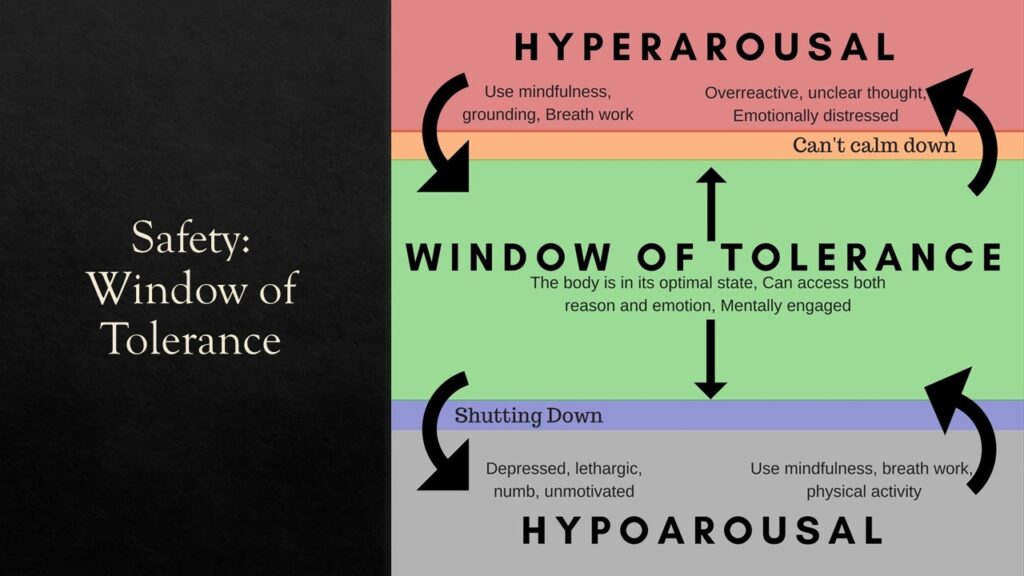
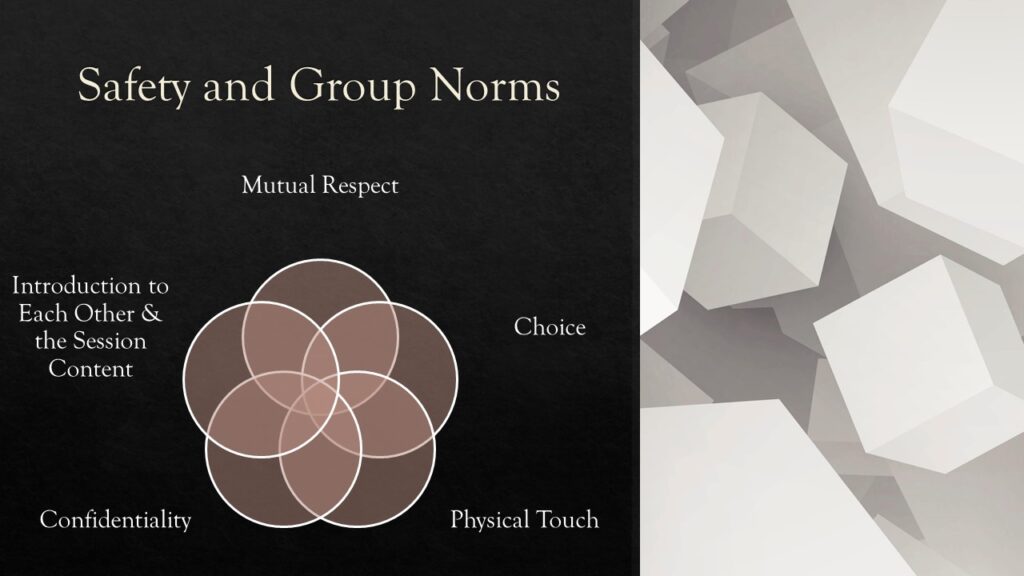
The workshop topic was “Trauma, Safety, and the Brain” which included information about trauma-informed principles, establishing safety in groups, and neurobiology of trauma and art-based therapies. The importance of safety was emphasized while addressing various strategies for cultivaging safety.
Strength-based interventions from EMDR and psychodrama were demonstrated with their capacity to resource trauma survivors. Many thanks to Caner Bingol & Mariya Volkova for organizing and the invitation to present along with other international trauma experts!
#trauma#traumainformed#traumarecovery#traumatherapy#experientialtherapy#creativearttherapy#expressivearttherapy#ptsd#ptsdawareness#PTSDTreatment#EMDRtherapy#psychodrama
May is Mental Health Awareness Month and there’s no doubt that COVID-19 has effected the mental and emotional health of millions of people worldwide. The lingering uncertainty caused by pandemic has created incredible amounts of fear, anger and anxiety in many of us. Not to mention the stress of managing our day to day lives and attempting to plan for the immediate future.
Dr Scott Giacomucci is the Director/Founder of the Phoenix Center and Director of Trauma Services at Mirmont Treatment Center. He’ll go into detail on how the effects of COVID-19 are effecting people’s mental and emotional health. He’ll also offer suggestions on what we can do to take care of ourselves as we navigate our way through these unprecedented times.
Full Interview here: https://www.youtube.com/watch?v=y8QwZUqwB2Q&feature=youtu.be
Special thanks to The Chris Edwards Group for interviewing us on Coronavirus, Collective Trauma, and Self-Care. Keep Chris in mind if you are looking for real estate services with honesty and integrity.
Phoenix Center for Experiential Trauma Therapy remains open offering teletherapy sessions, reach out to us for more information at Scott@PhoenixTraumaCenter.com or 484-440-9416
#traumatherapy #collectivetrauma #coronavirustrauma #traumahealing #societaltrauma #mentalhealthawareness
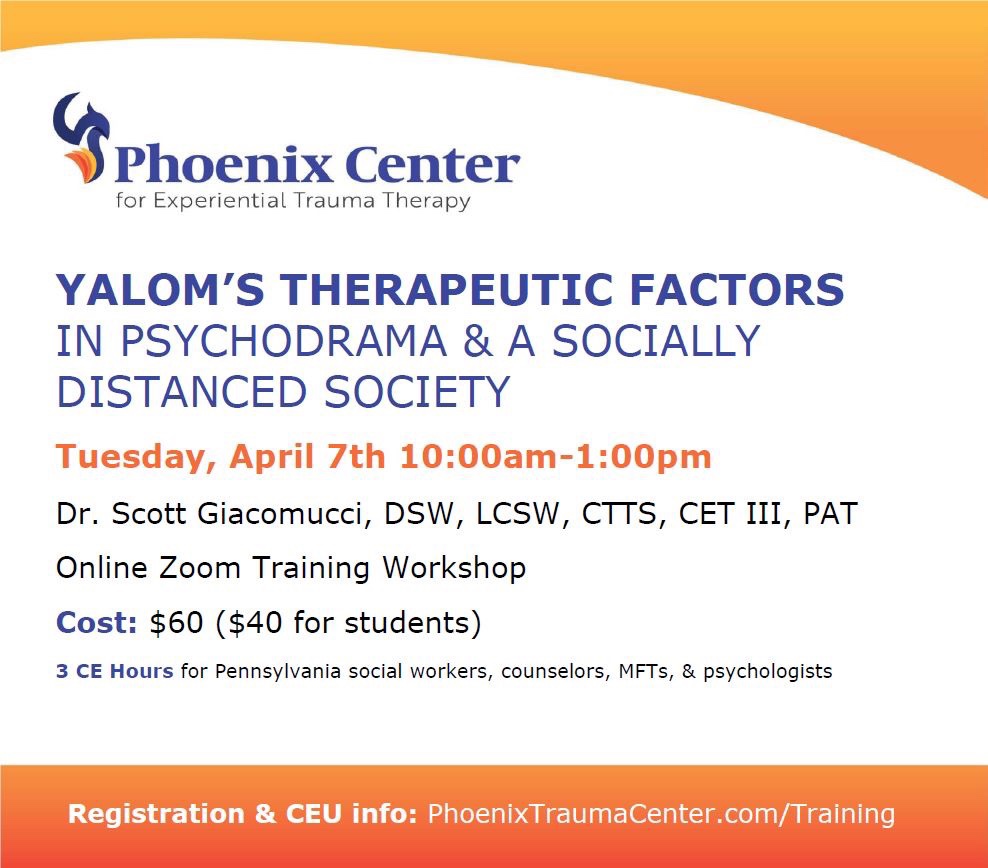
April 7th 10am-1pm (EST) via Zoom video meeting – presented by Dr Scott Giacomucci, DSW, LCSW, CTTS, CET III, PAT, FAAETS
Don’t miss our upcoming 3 CEU experiential webinar on Yalom’s Therapeutic Factors in Psychodrama and a Socially Distanced Society!
Let’s explore how therapeutic factors of group therapy apply to psychodrama and our society in the midst of social distancing and a collective trauma.
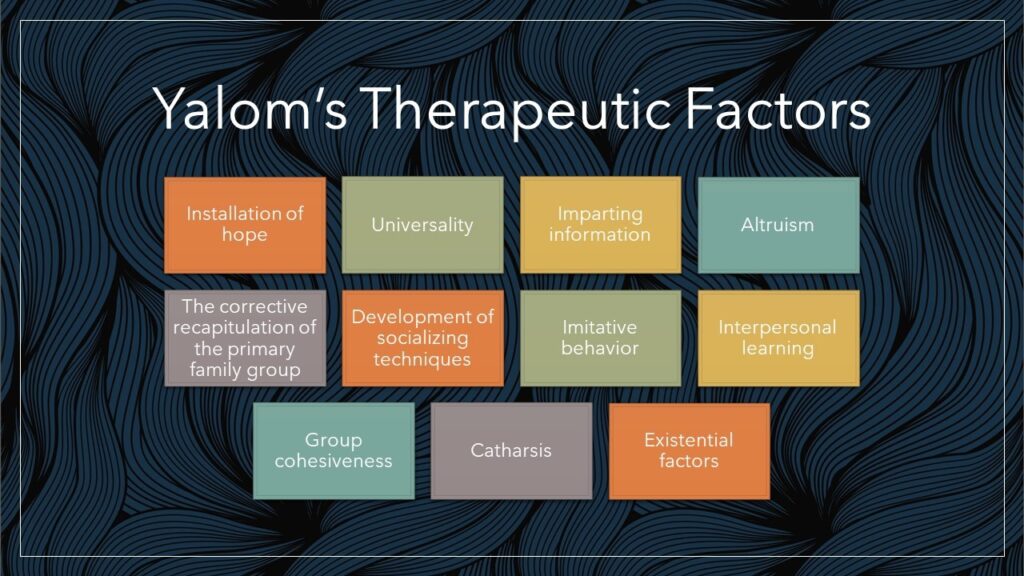
Which of these 11 factors do you think is most important in group work? In psychodrama? In today’s society?
Info & Registration here – https://phoenixtraumacenter.com/event/yaloms-therapeutic-factors-in-psychodrama-a-socially-distanced-society/
#TraumaTherapy #ExperientialTherapy #GroupTherapy #GroupWork #GroupPsychotherapy #Psychodrama #Sociometry #MorenoandYalom