
Written by: Dr. Scott Giacomucci, DSW, LCSW, BCD, CGP, FAAETS, TEP
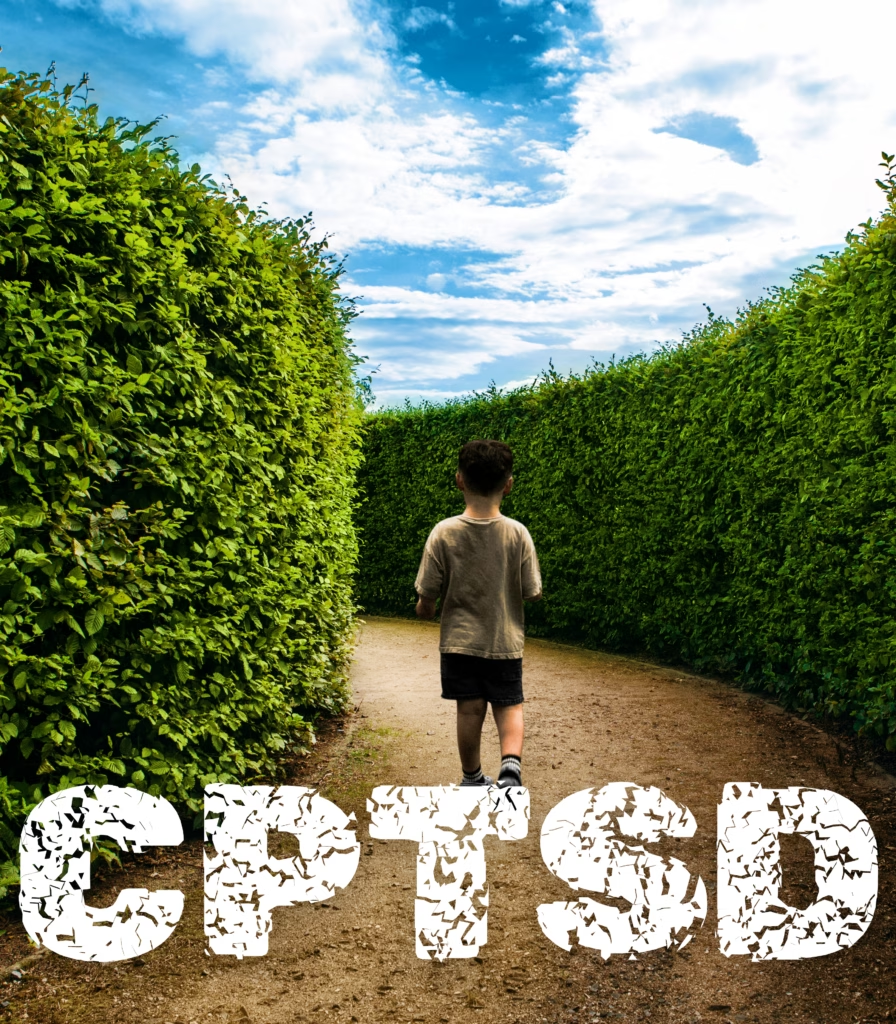
If you’ve recently come across the term CPTSD, you may be wondering what it means and how it differs from PTSD or Post-Traumatic Stress Disorder. CPTSD stands for Complex Post-Traumatic Stress Disorder, a condition that can develop after prolonged, repeated, or multiple traumatic experiences. While PTSD and CPTSD share many symptoms, CPTSD includes additional difficulties that often emerge when trauma occurs within relationships or over extended periods of time. CPTSD is a result of complex trauma which frequently occurs in childhood, creating layers to the traumatic experience and impacting us a bit differently than when we experience adversity as adults.
Understanding what CPTSD stands for is an important first step toward recognizing the impact that complex trauma can have on your emotions, relationships, sense of self, and overall well-being.
Breaking Down the Acronym CPTSD
C = Complex
The word complex refers to the nature of the traumatic experiences that contribute to the condition. Unlike a single traumatic event, complex trauma often involves repeated exposure to overwhelming stress over months or years. It is often associated with repeated or prolonged situations where a person feels trapped, powerless, or unable to escape.
Examples of experiences associated with complex trauma may include:
- Childhood abuse (verbal, emotional, sexual, and/or physical)
- Domestic violence
- Sexual assault
- Repeated medical trauma
- Ongoing community violence
- Living in an unsafe or unpredictable environment
- Identity-based trauma and discrimination
- Captivity, imprisonment, or human trafficking
- Childhood neglect or abandonment
- Long-term bullying
- Religious or cult-related trauma

The term “complex” does not mean that recovery is impossible. Rather, it acknowledges that the effects of prolonged trauma often impact multiple areas of a person’s life. Not everyone who experiences these situations develops CPTSD. Factors such as support systems, resilience, protective relationships, and access to treatment can influence outcomes.
PTSD = Post-Traumatic Stress Disorder
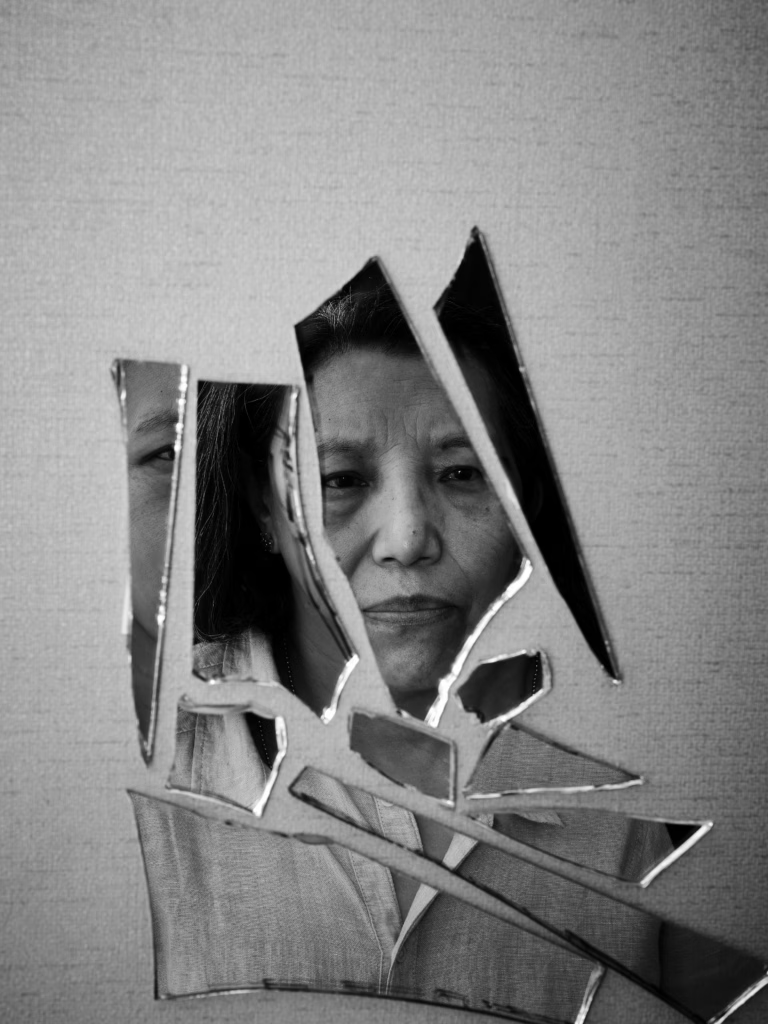
Post-Traumatic Stress Disorder (PTSD) is a mental health condition that can develop after experiencing or witnessing a traumatic event. Common PTSD symptoms include:
- Intrusive memories or images
- Nightmares and flashbacks
- Hypervigilance or feeling constantly on guard
- Avoidance and dissociation
- Difficulty sleeping or concentrating
- Increased startle response or difficulty with physical touch
- Emotional distress when reminded of the trauma
- Negative beliefs about self or others
- Negative moods
These symptoms are often related to how the brain and body respond to perceived danger, even long after the traumatic event has ended.
How Is CPTSD Different from PTSD?
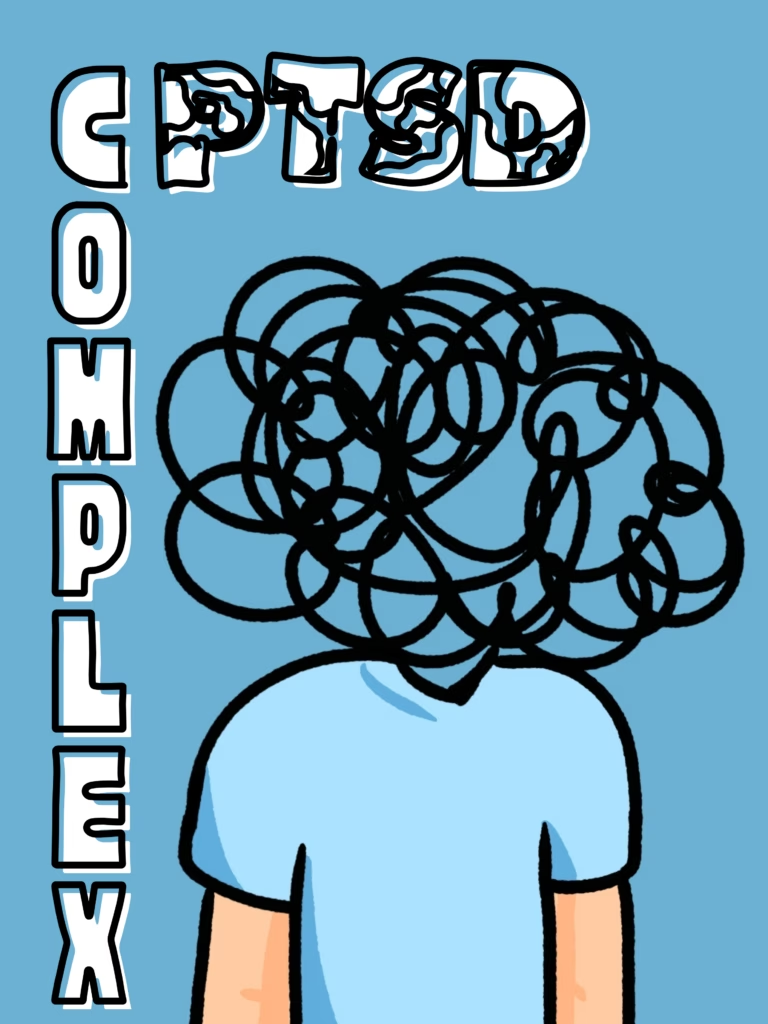
People with CPTSD experience the core symptoms of PTSD, but they also struggle with additional challenges related to emotions, relationships, and identity. These additional symptoms are referred to as disturbances in self-organization (DSO) and include:
Emotional Dysregulation
Individuals may struggle with emotional numbness or intense emotions that feel difficult to manage, including anxiety, sadness, shame, self-blame, anger, worthlessness, fear, and terror. Some people experiencing CPTSD feel overwhelmed by emotions, while others feel disconnected from them altogether.
Negative Self-View
Many individuals with CPTSD develop deeply ingrained beliefs such as:
- “I’m broken.”
- “I’m not good enough.”
- “I can’t trust myself.”
- “Everything is my fault.”
These beliefs often originate from traumatic experiences, especially when trauma occurred during childhood or within important relationships. These are often beliefs that we take on to try to make sense of the trauma as a child or beliefs that we learned from a perpetrator.
Relationship Difficulties

When trauma occurs in relationships, it can shape expectations about safety, connection, and intimacy. Complex trauma can significantly impact how people connect with others. Individuals with CPTSD may:
- Struggle to trust others
- Fear abandonment
- Have difficulty setting boundaries
- Feel isolated or disconnected
- Repeatedly find themselves in unhealthy relationships
Is CPTSD an Official Diagnosis?
CPTSD is recognized as a distinct diagnosis in the International Classification of Diseases (ICD-11) published by the World Health Organization. In the United States, the Diagnostic and Statistical Manual of Mental Disorders (DSM-5-TR) currently does not include CPTSD as a separate diagnosis. However, many trauma therapists, researchers, and survivors find the concept helpful because it captures experiences that are not always fully explained by PTSD alone. As research on trauma continues to evolve, awareness and understanding of CPTSD has also grown significantly.
Can CPTSD Be Treated?
YES! Recovery from CPTSD is possible, and many people experience significant improvements with effective treatment and support. Treatment may include:

- Trauma-focused psychotherapy
- EMDR (Eye Movement Desensitization and Reprocessing)
- Somatic Therapies
- Parts work and Internal Family Systems (IFS)
- Psychodrama and experiential therapies
- Expressive Arts Therapies
- Cognitive and behavioral approaches
- Group therapy
- Mindfulness and Yoga Practices
Treatment often focuses not only on processing traumatic memories but also on building emotional regulation skills, strengthening relationships, increasing self-compassion, reconnecting with personal strengths, and cultivating a life in recovery.
A Trauma-Informed Perspective
One of the most important things to understand about CPTSD is that many symptoms make sense when viewed through the lens of survival. Behaviors and reactions that may seem confusing or problematic today often developed as adaptive responses to overwhelming experiences in the past. Rather than asking, “What’s wrong with me?” a trauma-informed approach encourages people to ask, “What happened to me?” and “How did I learn to survive?” Understanding the meaning behind symptoms can reduce shame and create new opportunities for healing and growth.
If you recognize these patterns in yourself or someone you care about, know that help is available. Healing from complex trauma is not about erasing the past, it’s about developing new ways of understanding yourself, building supportive connections, and creating a life that is no longer defined by trauma.
About the Author:
Dr. Scott Giacomucci, DSW, LCSW, BCD, CGP, FAAETS, TEP (he, him, his) is the Director, Founder, & Owner of the Phoenix Center for Experiential Trauma Therapy. He provides clinical services at the center as well as supervision, consultation, training, and organizational leadership.
Dr. Scott just released his most recent book, Trauma-Focused Psychodrama: Experiential Therapy for Complex PTSD