
Category: Trauma Therapy

Benefits of Becoming a Phoenix Center Client

Welcome to the Phoenix Center for Experiential Trauma Therapy (PCETT). We believe healing happens best when people feel supported, connected, and cared for. As a client at our center, you will have access to a compassionate community dedicated to your well-being. At PCETT, we believe that healing is not only about surviving difficult experiences, but also about the possibility of post-traumatic growth: discovering new strength, meaning, connection, and hope after hardship. 

Some of the unique benefits of being a client at our center are the range of care available beyond traditional therapy sessions. Our goal is to provide meaningful resources and relationships that support each client’s growth and foster healing within a compassionate community. Through experiential and trauma-informed approaches such as EMDR, Internal Family Systems (IFS), psychodrama, Expressive Arts Therapies, Somatic Therapy, Emotionally Focused Therapy, and more, we help clients cultivate safety, empowerment, self-understanding, and resilience. Here are just some of the services we provide to our clients to support them in their therapy journey,

1. Family Support Services

At The Phoenix Center, we recognize the importance of support in your healing journey. While we may have someone supporting us on our journey, they may not fully understand how long it could take, or what to expect during the various phases of healing. That’s why we offer each client a complimentary educational session for a person of your choice.

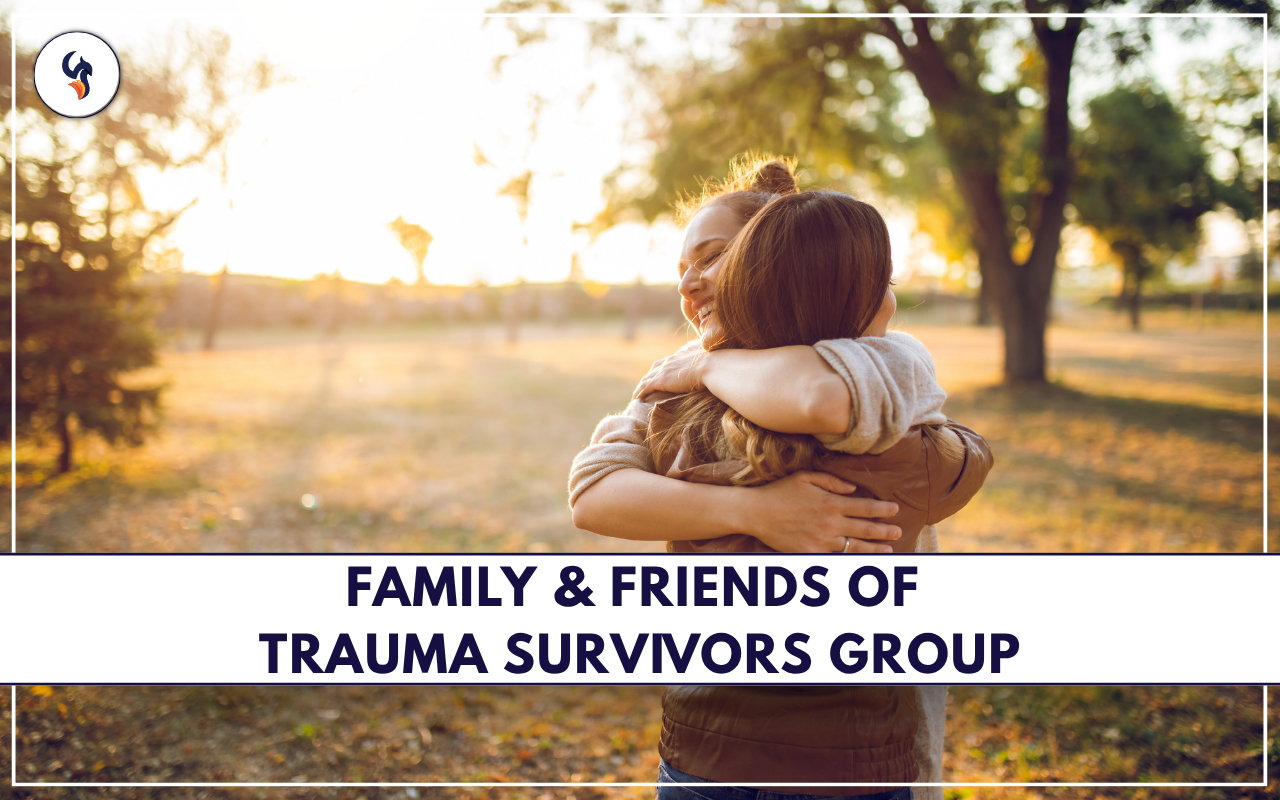
This one-on-one session, led by our Family/Support Services Coordinator, Meb Carroll, can be conducted virtually or in person and is designed to enhance your support system. Meb also hosts a Family & Friends of Trauma Survivors support group on the third Tuesday of every month.

2. Personal Growth Workshops

We want to take steps to create opportunities for our clients to connect with each other and build community at the Phoenix Center. We believe that nobody heals from trauma in isolation and that community is important in recovery. Our hope is that this workshop will help provide a sense of peer support and solidarity in your trauma recovery journey. In these workshops, we also give our clients the opportunity to share feedback and suggestions for our center.

Our Free Client Workshop is Tuesday, June 23, 2026, 6:00PM – 8:00PM.

3. Free Support Groups

We are committed to your success and want to offer additional tools to integrate into your recovery journey. One of those tools being our free support groups. Support groups provide coping skills and bring together members with similar lived experiences to support each other and are centered around the importance and power of peer support. The group contributes to the healing process through attentive listening, encouragement, feedback, education, and shared experience.

Our Current Support Groups

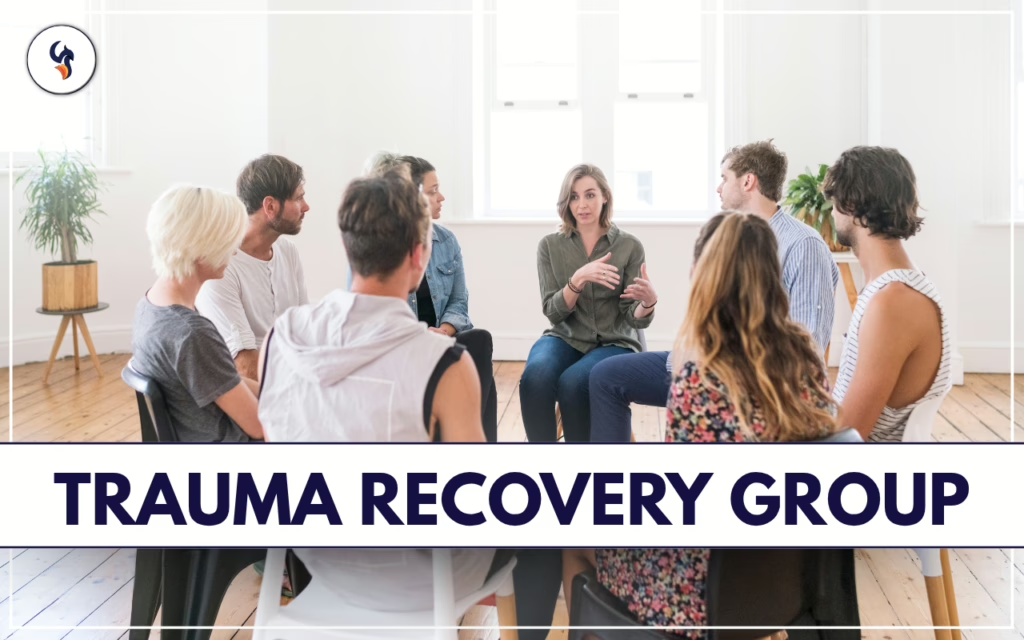
Trauma Recovery Support Group

Every Monday 6:30PM-7:30PM

Family & Friends of Trauma Survivors Support Group

Every 3rd Tuesday 12:00PM-1:00PM

Parenting Support Group for Neurodiverse Families

Every Wednesday, 9:30AM-11:30AM

Trauma-Informed Community Yoga

Bi-Weekly Mondays 6:30PM-8:00PM

4. Administrative Staff

Here at the Center our administration staff serves as an additional line of support for both the therapists and their clients. Our admin staff manages appointments, responds to phone calls and emails, and answers any questions you may have about our center. When administration handles all of these tasks, it gives clinicians more time to focus solely on their client.

Our Administrative Staff

M.S.
Intake, Outreach, Referrals, Marketing, and Continuing Education

B.A.
Communications, Marketing, Social Media, Administration, and Customer Service

5. Supervision and Feeback

While we provide many resources to help our clients feel supported, we also prioritize support for our clinicians and clinical interns. This includes weekly individual and team supervision meetings, peer-to-peer support, team retreats, and community gatherings. We believe our team is best equipped to support clients when they feel supported themselves.

Your feedback is also very important to us. Please do not hesitate to share your experiences regarding your individual sessions, groups and offerings, our facilities, or our center. We welcome and encourage feedback from all clients.

Want to Become A Client?

  1. Call: 484-440-9416
  2. Schedule An Intake Online: Here
  3. Email: support@phoenixtraumacenter.com

Music Therapy and Trauma Healing

By Meryl Lammers, MT-BC (Music Therapist-Board Certified)

Music Therapy is the clinical and evidence-based use of music interventions to accomplish individualized goals within a therapeutic relationship by a credentialed professional who has completed an approved music therapy program.

MUSIC THERAPY AT THE PHOENIX CENTER

Clinical music therapy is the only professional, research-based discipline that actively applies supportive science to the creative, emotional, and energizing experiences of music for health treatment and educational goals.

Music therapists use music to enhance social or interpersonal, emotional, cognitive, and behavioral functioning in individuals who have experienced trauma. Research indicates that music therapy is effective at reducing muscle tension and anxiety, and at promoting relaxation, verbalization, interpersonal relationships, and a sense of connectedness. This can set the stage for open communication and provide a starting place for non-threatening support and processing symptoms associated with or exacerbated by trauma. A qualified music therapist can use music to actively connect a client to their emotional state quickly.

Benefits of integrating Music Therapy into trauma focused therapy:

· Improved mood

· Emotional regulation

· Development of coping skills

· Creative and emotional expression without the need to use words

· Decrease in anxiety and depression

· Increase feelings of safety and connection

You do not need to have musical ability in order to participate in or benefit from music therapy. Music Therapy is effective for people of all ages, is collaborative, and involves both the client and therapist to co-create goals and interventions.

Some interventions that help address symptoms related to trauma include:

· Drumming

· Instrument improvisation

· Song writing

· Progressive muscle relaxation to live or recorded music

· Vocalizations/singing

· Song choice

· Lyric analysis

· Creation of play lists related to specific emotions

· Movement to music

· Legacy projects

· Combining music and art

Various types of Music Therapy

These Music Therapy techniques are also complementary to other trauma related modalities and can be integrated with them, including:

· Expressive arts therapies

· Psychodrama

· IFS

· Somatic work

· EMDR

As an experiential modality, music therapy that has the capacity to create connection and community, which are important aspects of healing from trauma. The Phoenix Center is committed to finding individualized ways to help people recover from trauma and enhance personal growth through the use of different experiential therapies. Contact us today if you’re ready to begin your journey of healing.

In-Person and Virtual Trauma Therapy: Pros and Cons

by Sarah Jayne Oltz, MS, NCC, CTP

Trauma therapy is a deeply personal healing process that requires careful consideration of how therapy is delivered. Today, there are two main formats for therapy: in-person and virtual. Both have distinct advantages and potential drawbacks, particularly for trauma therapy. Below is an exploration of the pros and cons of each option to help you decide which format may work best for you or your clients.

In-Person Trauma Therapy

Pros

  • Deeper Human Connection
    In-person sessions foster a stronger sense of connection and presence. Non-verbal cues like body language, eye contact, and even physical proximity can enhance the therapeutic bond and process, which is essential for healing trauma. The sense of safety and trust can be more immediate and tangible in a physical space with a therapist.
  • Fewer Technological Barriers
    There’s no need to worry about Wi-Fi interruptions, audio lag, or technical difficulties that could disrupt the flow of an important session. This can be crucial when dealing with sensitive or traumatic material, where breaks in connection could impact the therapeutic process.
  • More Grounding and Experiential Support
    Many trauma therapists incorporate grounding techniques and sensory experiences into their practice. In-person sessions allow therapists to use physical objects and other tools that can help clients regulate their emotions and process more effectively.
  • Safe Space
    In-person therapy provides a controlled, safe environment where clients can express and process intense emotions without distractions from the outside world. Being in a designated therapeutic space can also help clients create a mental separation between therapy and their daily life.

Cons

  • Limited Accessibility
    In-person therapy can be less accessible for clients who have physical disabilities, live in remote areas, or have busy schedules.
  • Cost and Travel Time
    In-person therapy often requires additional expenses, such as transportation and time off work, which can add stress to an already emotionally taxing process. Commute times can also make regular attendance challenging.
  • Unfamiliar Space
    For some trauma survivors, being in a new or unfamiliar physical space can trigger anxiety or a sense of overwhelm. Some individuals may feel more safe in their own space, especially in the early stages of therapy when trust is still being built.

  Virtual Trauma Therapy

Pros

  • Convenience and Accessibility
    Virtual therapy can be especially helpful for individuals with physical limitations, those who live in areas with limited mental health resources, or those juggling work and family commitments.
  • Scheduling Flexibility
    Virtual therapy often offers more flexibility in terms of scheduling since the client does not need to account for travel time. This can lead to more consistent attendance, which is crucial for trauma recovery.
  • Comfort in a Familiar Space
    For some clients, particularly trauma survivors, being in a familiar environment can feel safer. Virtual therapy allows clients to engage in therapeutic work while remaining in the comfort of their own space, which may help reduce anxiety and facilitate openness.
  • Sense of Anonymity
    Some clients may feel more comfortable with virtual therapy because it offers a sense of anonymity. They may find it easier to disclose sensitive or painful experiences without the added pressure of being physically present in a therapist’s office.

Cons

  • Technology Issues
    While virtual therapy is convenient, it also relies heavily on technology. Poor internet connections, software glitches, or interruptions can disrupt the flow of a session. This can be particularly problematic in trauma therapy, where the therapeutic alliance and sense of safety are critical.
  • Limited Non-Verbal Communication
    Much of the subtle communication that happens in therapy comes from body language, facial expressions, and other non-verbal cues. Virtual therapy may limit the therapist’s ability to pick up on these cues, which could affect the depth of the therapeutic relationship.
  • Difficulty in Creating a Therapeutic Environment
    Not everyone has a private, quiet space to engage in therapy at home. Distractions like family members, noise, or pets can make it harder to focus, reducing the effectiveness of the session. Some clients may also struggle with boundaries, finding it difficult to fully “enter” therapy mode when they are in a home setting.
  • Licensing Restrictions on Virtual Therapy
    Most state licensing boards only permit therapists to engage in telehealth sessions with a client who is physically located in the state the therapist is licensed in at the time of the session. This can be very limiting for clients who are traveling out of state.
  • Therapists’ Lack of Training Providing Therapy Online
    Most therapists have no training on providing therapy remotely, especially if they completed their schooling or training before the 2020 Covid-19 pandemic.
  • Therapists’ Limited Familiarity with Local Services
    One of the risks of engaging in telehealth is that your therapist may not be familiar with mental health service providers in your area, especially if your therapist’s office is far away from your home. In the case of an emergency or the need for a referral to a more intensive level of care, your therapist may not have direct experience or knowledge of programs in your town.


Which is Right for You?

The choice between in-person and virtual trauma therapy ultimately depends on your personal preferences, circumstances, and therapeutic needs. Both formats can be effective, but it’s essential to consider what environment will make you feel most comfortable, supported, and safe.

If you value the immediate connection and presence of face-to-face interactions and have access to a therapist nearby, in-person therapy may be the best fit. On the other hand, if you need more flexibility and comfort or live in an area with limited mental health resources, virtual therapy might provide the support you need with fewer barriers. Sometimes, a hybrid model—where sessions alternate between in-person and virtual—can offer the best of both worlds. Many times, we have found success in starting sessions in-person to build a strong connection between therapist and client, and switching sessions to online after a strong bond has been established.

We often will recommend meeting in-person if there are particular sessions when we plan to engage in trauma processing of core memories (sometimes these are scheduled for longer than an hour). Being in person with your therapist allows your therapist to better assess where you are in the process (especially through non-verbal cues such as complexion changes, voice tone, body language, posture, etc.), which will better allow your therapist to provide safe and effective trauma processing.

Trauma therapy is rooted in safety and autonomy, and the setting that fosters your personal growth and comfort will always be the right choice. Don’t be afraid to experiment with both formats to find what works best for you. Contact the Phoenix Center today to get started with one of our trauma therapists in-person or virtually.

Is Past Adversity Impacting You Today? Take This Short Assessment!

Throughout our life, we all encounter challenges that shape who we are. However, sometimes the impact of past adversity, trauma, and loss can linger – affecting our relationships and daily life in ways we might not fully understand. If you’re questioning whether past experiences are casting a shadow on your present-day experience, you are not alone. Below we summarize the most common ways that past adversity can impact us today – the signs of post-traumatic stress disorder (PTSD) and complex post-traumatic stress disorder (CPTSD) and encourage you to consider the transformative power of trauma therapy at the Phoenix Center for Experiential Trauma Therapy in Media, PA.

Recognizing the Impact:

  1. PTSD Symptoms: Post-traumatic stress disorder (PTSD) can emerge after experiencing a traumatic event. Common symptoms include flashbacks, nightmares, hypervigilance, negative moods or beliefs, and emotional numbness. These symptoms can disrupt daily life, making it challenging to connect with others and find peace within oneself.
  2. CPTSD Symptoms: Complex post-traumatic stress disorder (CPTSD) is often associated with multiple exposures to traumatic situations, such as ongoing abuse or neglect. In addition to PTSD symptoms, individuals with CPTSD may struggle with difficulties in forming and maintaining relationships, a negative self-perception,  ongoing feelings of emptiness, and overwhelming emotions.

Still unsure if past adversity or trauma is continuing to impact you today?

If you are scoring above a 31 on the assessment above, you are likely experiencing posttraumatic stress and trauma therapy would be highly recommended for you (according to standards set by the National Center for PTSD).

The Transformative Power of Trauma Therapy:

Embarking on a journey of trauma therapy is a commitment to profound personal transformation. Here’s how it can guide you towards a resilient and empowered future:

  1. Establishing Safety and Developing Coping Skills: At the heart of trauma therapy lies the establishment of safety and connection. Specialized trauma therapists help create a secure space, allowing you to explore your experiences without fear of judgement or harm. Through collaboration, you’ll develop a toolkit of coping skills, equipping you to face life’s challenges with newfound strength and assurance. Your therapist will help you better understand how past trauma or adversity may be impacting you and offer you support in navigating relationships in your life.
  2. Processing Traumatic Memories and Dealing with Related Feelings: The therapeutic journey involves an exploration into your past, providing a safe container to process traumatic memories. Together with your therapist, you’ll navigate the complex terrain of emotions tied to these memories which might include grief, anger, shame, self-blame, and confusion. This transformative process gradually loosens the hold of the past, allowing for the integration of these experiences into your sense of self in a new way.

  3. Cultivating Posttraumatic Growth and Integrating Change into Your Life: Trauma therapy is not just about addressing wounds; it’s about cultivating posttraumatic growth – or growth after trauma. Through introspection and guidance, you can identify opportunities for positive change in the aftermath of trauma. Your therapist becomes a partner in integrating these changes into your life, fostering a sense of resilience, wisdom, and empowerment going forward.

In the realm of trauma therapy, each session is a step towards reclaiming your narrative, fostering resilience, and embracing a future where posttraumatic growth becomes a guiding force in your journey toward healing and wholeness.

If you’re unsure whether past adversity is affecting your life today, know that you don’t have to navigate this journey alone. Trauma therapy offers a beacon of hope, providing a pathway to healing and growth. It’s never too late to seek support and take the first steps toward a more fulfilling and connected life. Your past doesn’t have to dictate your future. If you suspect that past adversity is impacting your relationships and life today, consider the transformative potential of trauma therapy. Reach out, seek support, and embrace the possibility of healing. The journey toward a brighter and more resilient tomorrow begins with the courageous step of acknowledging the impact and taking action to reclaim your life.

Psychodrama as an Effective Treatment for Trauma and PTSD

By Dr. Scott Giacomucci, DSW, LCSW, BCD, FAAETS, PAT

Published by APA Div 49, The Group Psychologist

“Recent findings have challenged trauma therapists to consider alternative and adjunctive approaches to talk therapy and cognitive approaches. At the same time, these new findings serve to validate experiential philosophy, theories, and approaches that Jacob Moreno proposed decades prior.”

Read the full article here on APA’s website – https://www.apadivisions.org/division-49/news-events/psychodrama-trauma-treatment